
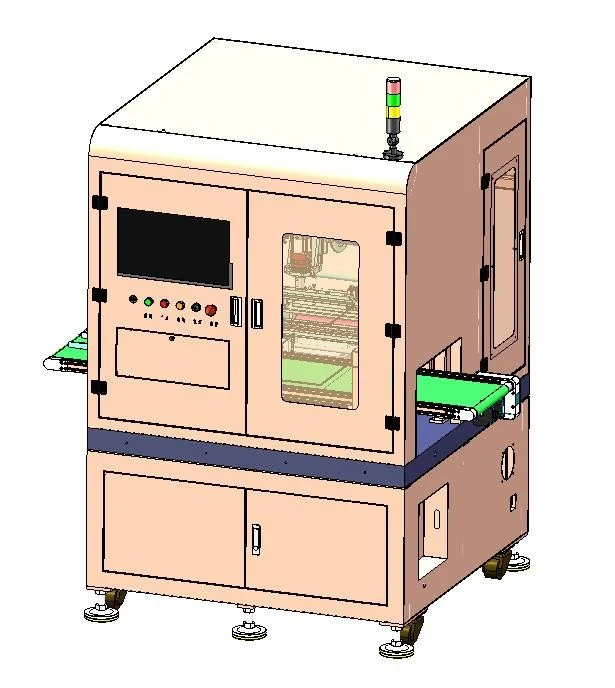
VL-LF
Large-Format Vision Labeler
A vision placement platform for larger parts and long materials.
- Large parts
- Films and foam
- Applicator heads (configuration dependent): 1 / 2
- CCD vision positioning
Read published technical information in the order of an engineering and purchasing decision, then review equipment and discuss your requirements.
Start with the part, placement material and feeding method before comparing single-head, multi-head and robot configurations.
Choose VL-SS, VL-DD, or VL-4A by materials count, part pose variation, and line layout—with sample validation before quote.
How CCD vision labeling works, when it beats mechanical labelers, how to choose single-head vs dual-head vs robot configs, and what to share before quoting.
Anjelio (anjelio.com) builds industrial CCD/robot vision labeling for factories—camera-guided label and auxiliary-material placement. Confirm domain, category, and VL-* codes; do not rely on email spelling alone.
Head count follows how many materials and positions you place per part, not a desire for a higher catalogue rate.
Vision labeling locates the part before placement. Use it when position, mixed parts, or auxiliary materials matter more than raw bottle-wrap speed.
Define the labeling station, board presentation and line interfaces before discussing machine configuration.
Choose whether to apply PCB identity before reflow or after soldering, and frame polyimide vs polyester as a qualified materials decision for Anjelio vision label application.
When a pick-and-place label feeder is enough, and when you need a dedicated CCD vision labeling cell (Anjelio VL-*).
When panel-rail (process-edge) labeling is enough, and when each child board needs its own code before depaneling.
Choose inline vs offline layout and print-and-apply vs feeder labels for SMT / PCB vision labeling—with Anjelio VL-EM, VL-TR, VL-PA, VL-SS / VL-DD mapping.
When CCD vision-guided placement beats fixture or open-loop labelers on PCB/electronics lines—and what to send before quoting.
Electronics jobs fail on release, ESD, and locating features—not on the brochure camera count.
Separate catalogue reference values from project acceptance criteria; specify samples, measurement methods and changeover scope.
What actually drives changeover time on a CCD vision labeler—fixtures, vision re-teach, materials—and what to ask before RFQ.
Why ±mm claims need measurement conditions, and how to run sample acceptance before RFQ on a vision labeler.
Prepare parts and drawings, quote scope, electrical requirements, installation responsibilities and acceptance requirements.
Help procurement write a comparable vision-labeler RFQ — itemized quote scope (host/vision/fixtures/install/training/tax-freight), lead-time start, and acceptance pointers.
Power, plug, and installation responsibility are order-specific. Confirm them before the machine is built, not after it lands.
Factory acceptance, export packing, and remote support are project items. They are included when they are written into the proposal—not assumed from the website.
A usable quote needs the part, the material, the placement position, and how the machine will sit in the line. Photos beat slogans.
These configurations come from the current product catalogue. Fit depends on your actual parts, materials and sample validation.
VL-LF
A vision placement platform for larger parts and long materials.
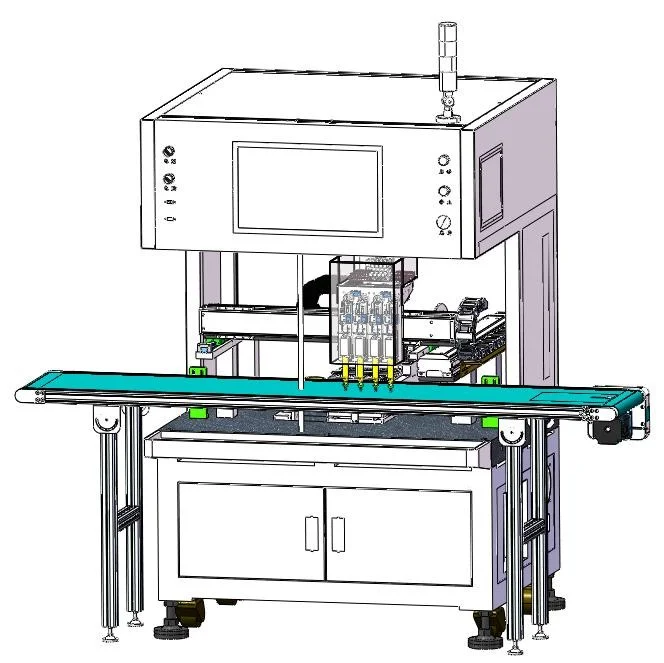
VL-4H
Multiple applicators coordinated for repetitive production tasks.
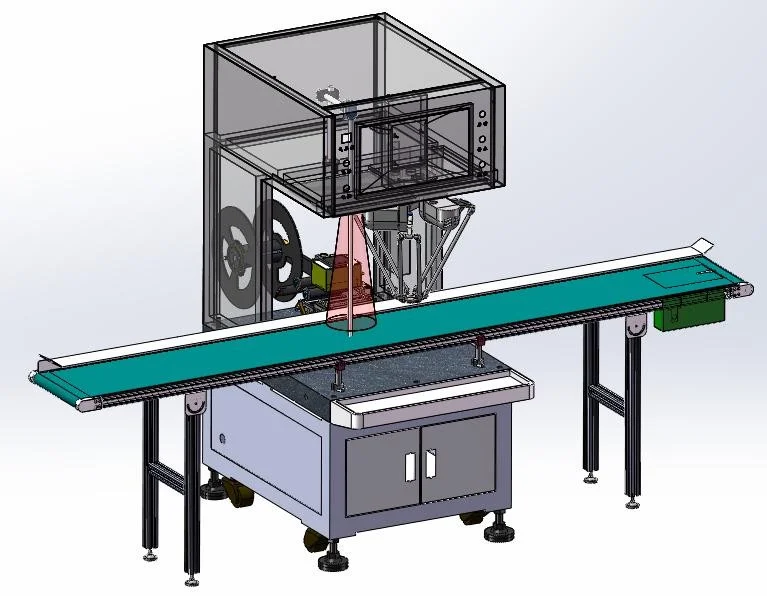
VL-DT
Parallel-robot configuration for fast pick-and-place labeling.
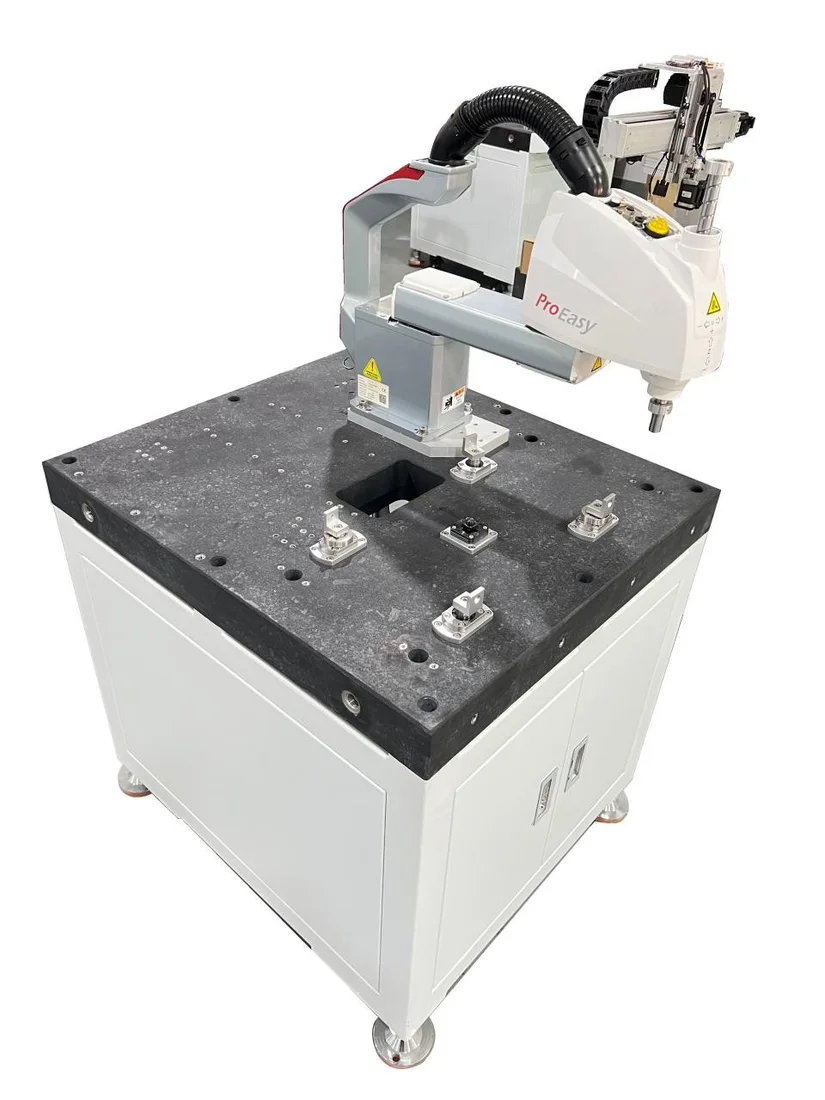
VL-4A
Vision-guided robot placement for varied parts and positioning needs.
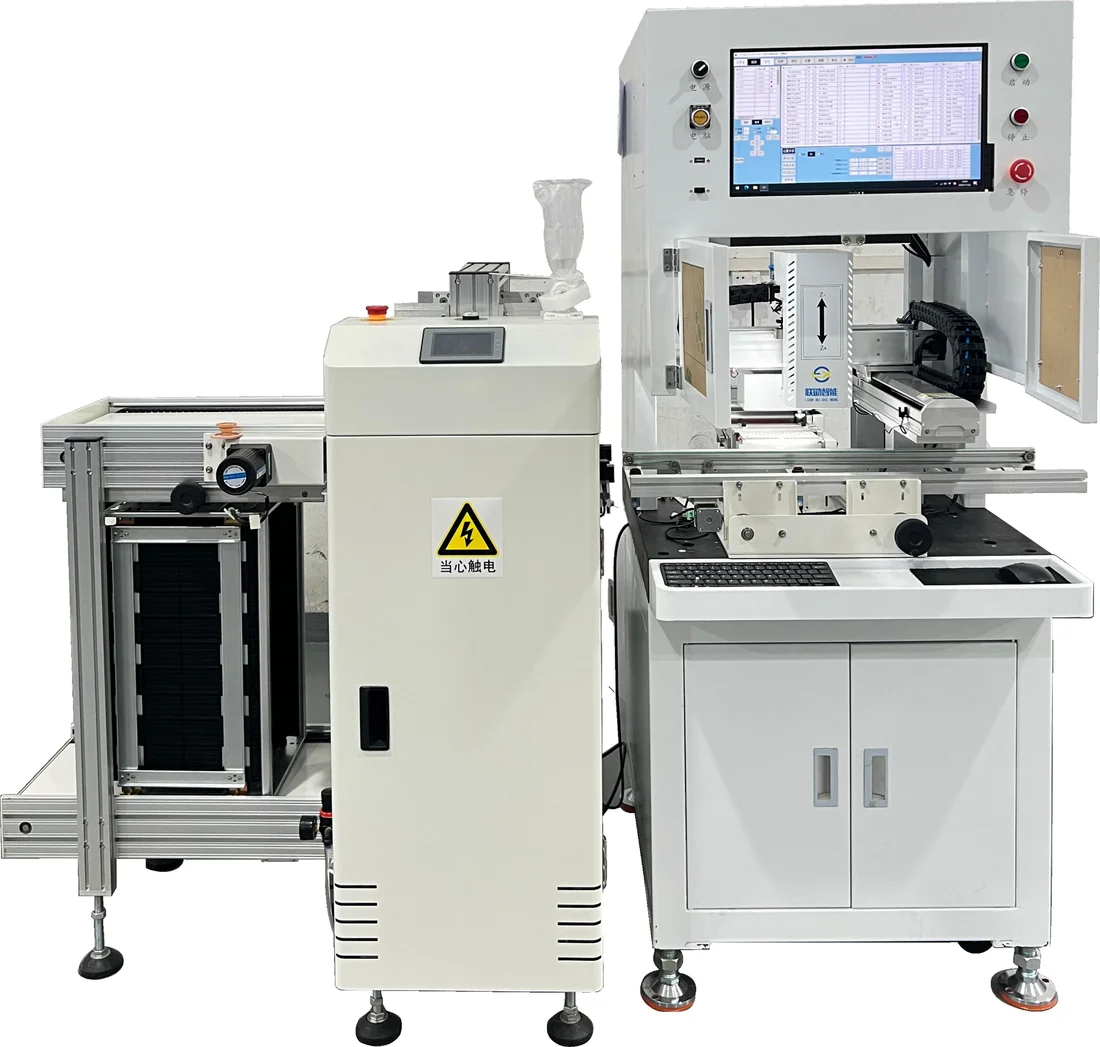
VL-TR
Track-based vision placement for PCB and tray-carried products.
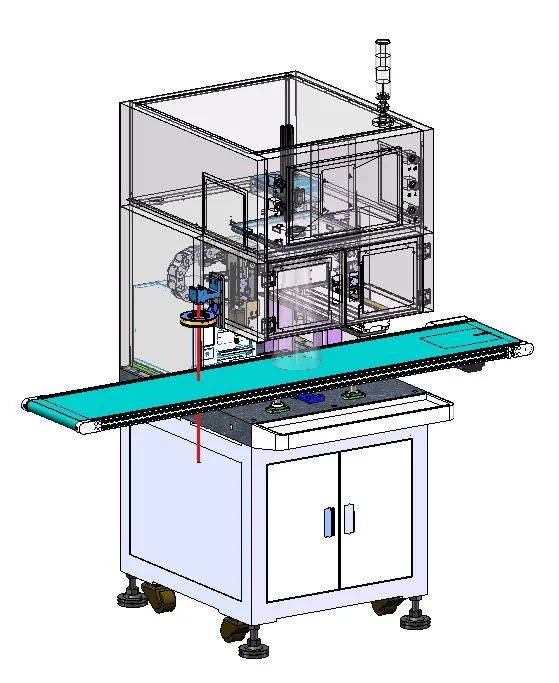
VL-PA
Print variable product information and apply the label with vision guidance.
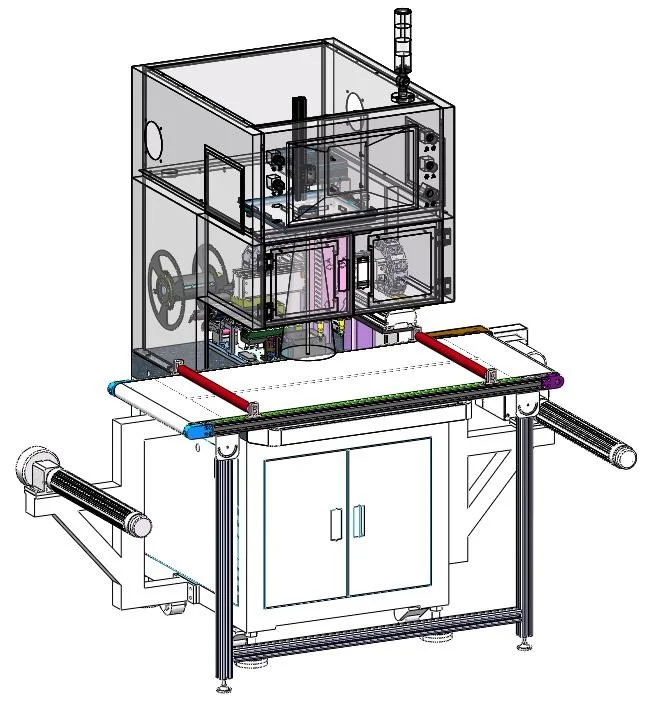
VL-R2R
Vision-guided placement within a roll-material workflow.
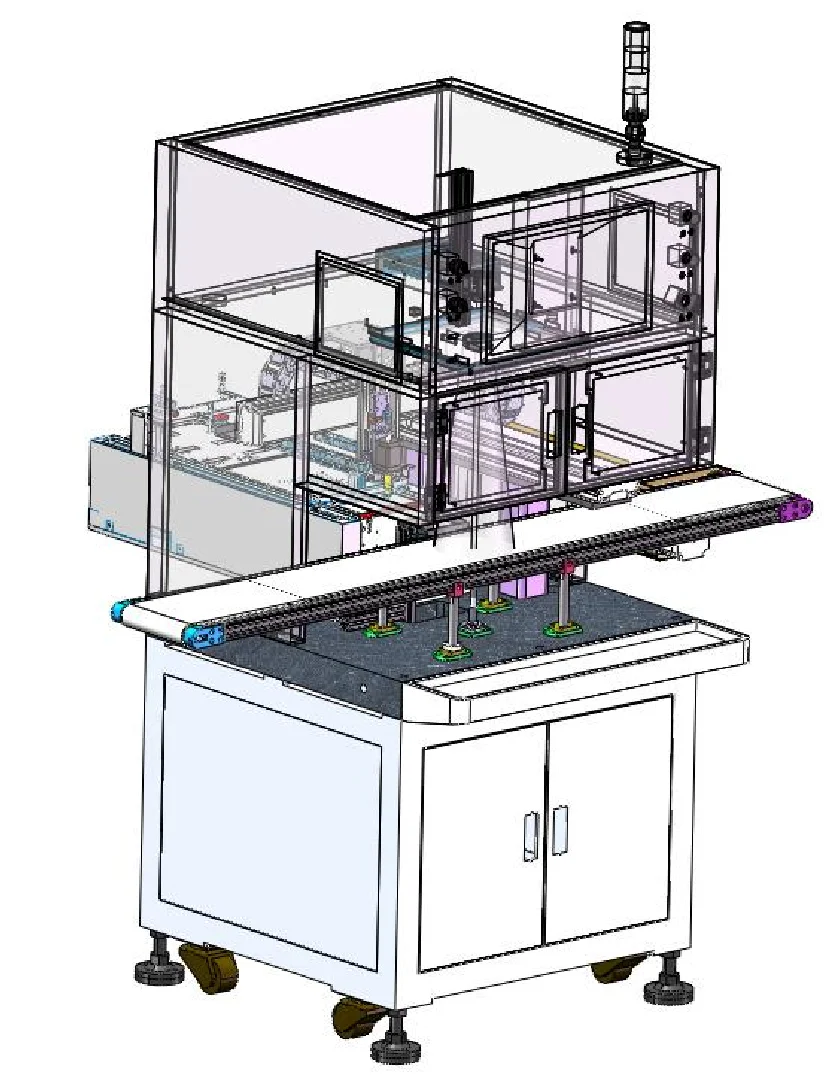
VL-SH
Vision-guided placement of sheet-fed parts and auxiliary materials.
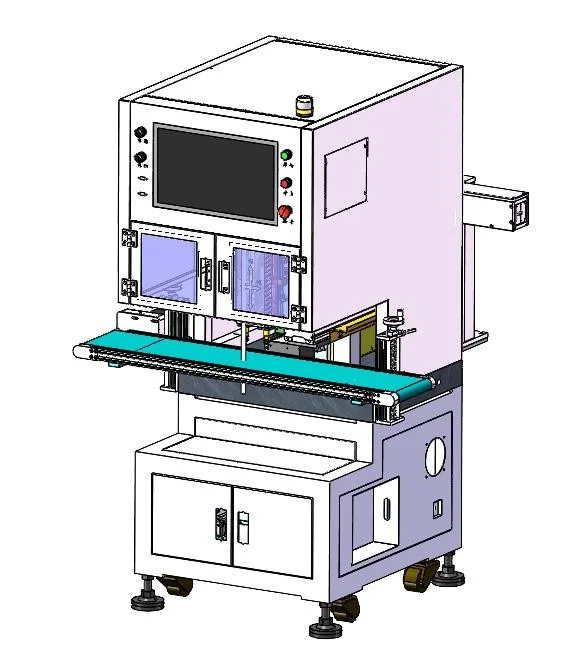
VL-LZ
Combine label placement and laser marking in one configured station.
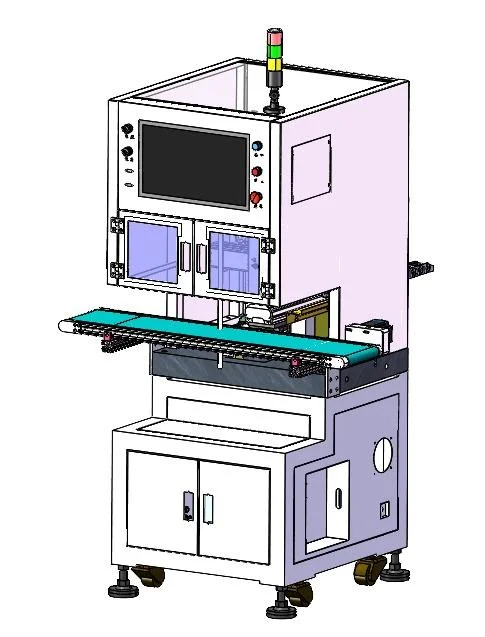
VL-EM
A vision placement station configured for an existing production line.
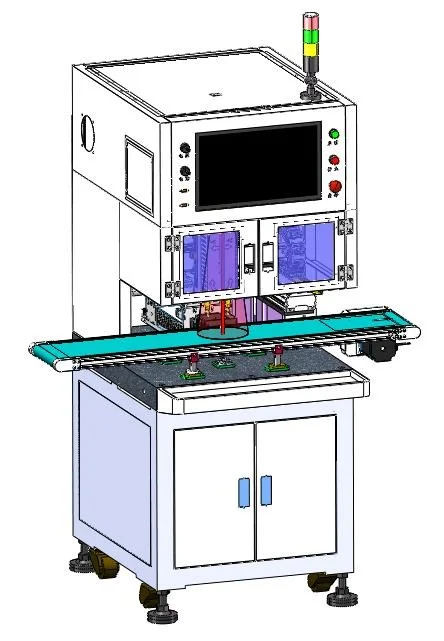
VL-RR
Retracting feeder configuration for soft, thin and die-cut materials.
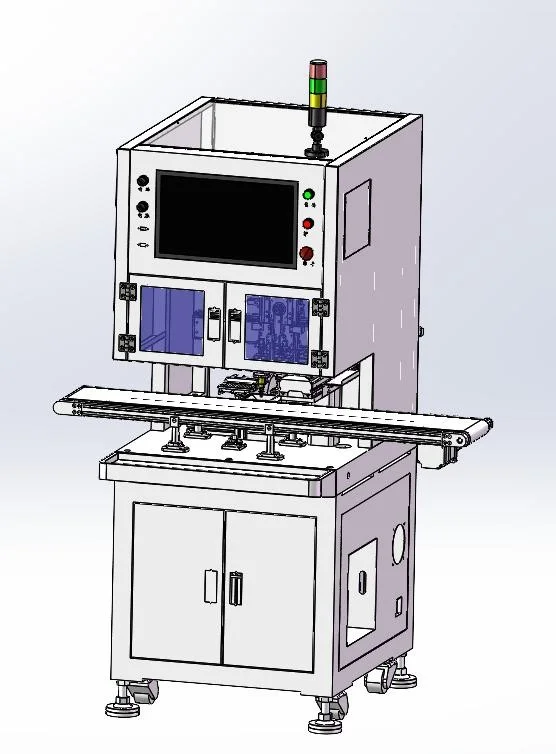
VL-DD
Two applicators and two feeders for two different materials on one product.
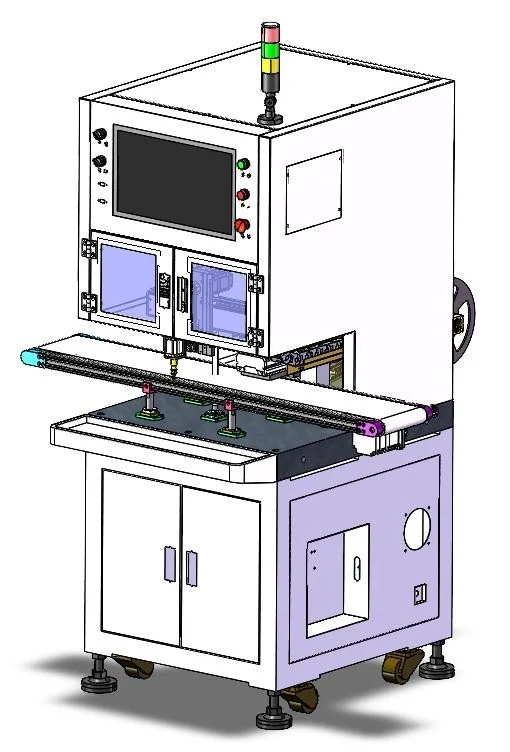
VL-SS
One applicator and one feeder for vision-guided single-material placement.
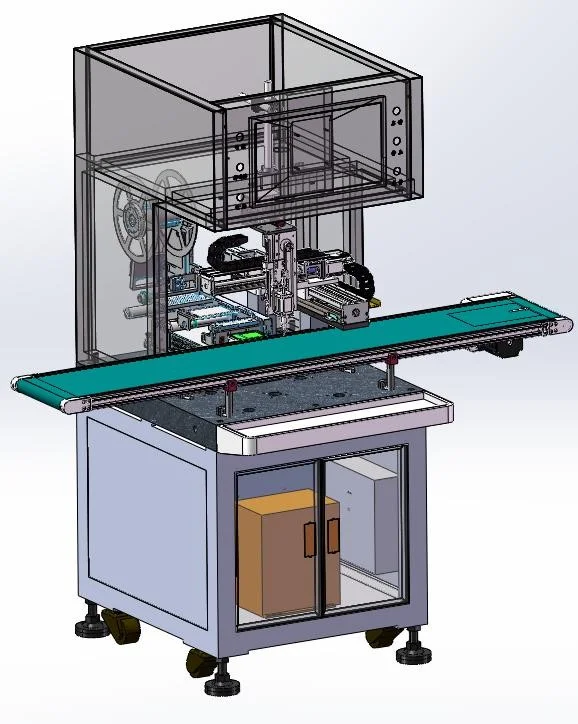
VL-EC
Cost-focused vision placement for continuous single-SKU production.
Share the part drawing, placement material and target output to confirm the next step with our team.
Talk to our team →